Management

Tereza Murray explains why franchising works for some and ‘not quite’ for others

By Leon Gettler, Talking Business >>

FRANCHISING IN AUSTRALIA is generally considered a safer pathway to business ownership than starting an independent business as a solopreneur.

Franchising has a reported average success rate of roughly 80% over five years across Australia.

That’s the plus side. But there are risks. 

Examples include Retail Food Group (RFG) which operated brands including Michel’s Patisserie, Donut King, and Gloria Jean's. RFG got into trouble over high fees, poor support, and unsustainable debt. That led to hundreds of store closures.

In the end, the Australian Competition and Consumer Commission (ACCC) imposed a court-enforceable undertaking which saw RFG making payments to – and waiving – historical debts of a number of affected current and former franchisees, in relation to the purchase of certain corporate stores by those franchisees.

RFG also had to pay $5 million to the franchisees of Michel Patisserie stores who paid levies into that franchise’s marketing fund between July 1, 2012 and June 30, 2017.

Investing in a proven system

Franchise and business consultant Tereza Murray, who set up TMPlus, explained the franchise success rate citing the fact that franchisees were investing in a proven system.

“They’ve got brand strength, they’ve got systems and processes that they can follow. Quite often, they’ll have buying agreements, they’ll be able to access better rates on products and services,” Ms Murray told Talking Business.

“Obviously having an experienced franchisor at the other end of the phone to answer any questions, it’s not something that a small independent business operator has.

“They have to try to work all of that out themselves. They have all that financial risk themselves without realty understanding what the biggest pitfalls are,” she said.

“Whereas the franchisor has come out the other end of that. They’ve started a business, they’ve built it from scratch, they’ve taken all the risks, they’ve made mistakes. They’ve come out the other end with their shirts still on their backs and they’re ready to impart that wisdom and they’re learning with franchisees.

“So that really is why the model is so successful and so popular, particularly in Australia.”

No single franchise model fits all

Ms Murray said there was no “one size fits all” model for franchise systems in Australia.

“Franchising is the process of replicating a business model and operating system, so there is no such thing as a standard franchise structure,” she said.

“Every single business we work with is different and every way they approach things, like marketing, will have slight differences.”

This means the franchisor can choose to manage all of the marketing and the franchise contributes to the marketing fund or they will allow the franchisee to do all their local area marketing.

Marketing seems to be where SME skills gaps exist

However, Ms Murray said marketing remained one of the “biggest skill gaps for business owners starting out”. It is also one of the biggest “black holes for money, if you don’t know what you’re doing.”

She said TMPlus had set up an alternative to hard-wired franchise or licensing methods with its innovative CorAlliance system.

As Ms Murray explained it, CorAlliance offers a smart, sustainable growth pathway for business owners who want something more flexible than a franchise and more involved than a licence.

It’s a modern solution, she said, that removes many of the barriers associated with franchising, licensing, or expanding through employees without sacrificing brand integrity or momentum

“We notice a lot of business owners want something that is less prescriptive, less resource-heavy to manage and more collaborative,” she said.

“CorAlliance is essentially a community of business owners working together under one brand. It’s like forming a buying group but with the added benefits of shared systems, brand strength and support.” 

www.tmplus.com.au

www.leongettler.com


Hear the complete interview and catch up with other topical business news on Leon Gettler’s Talking Business podcast, released every Friday at www.acast.com/talkingbusiness  

https://shows.acast.com/talkingbusiness/episodes/talking-business-7-interview-with-tereza-murray-from-tmplus


ends
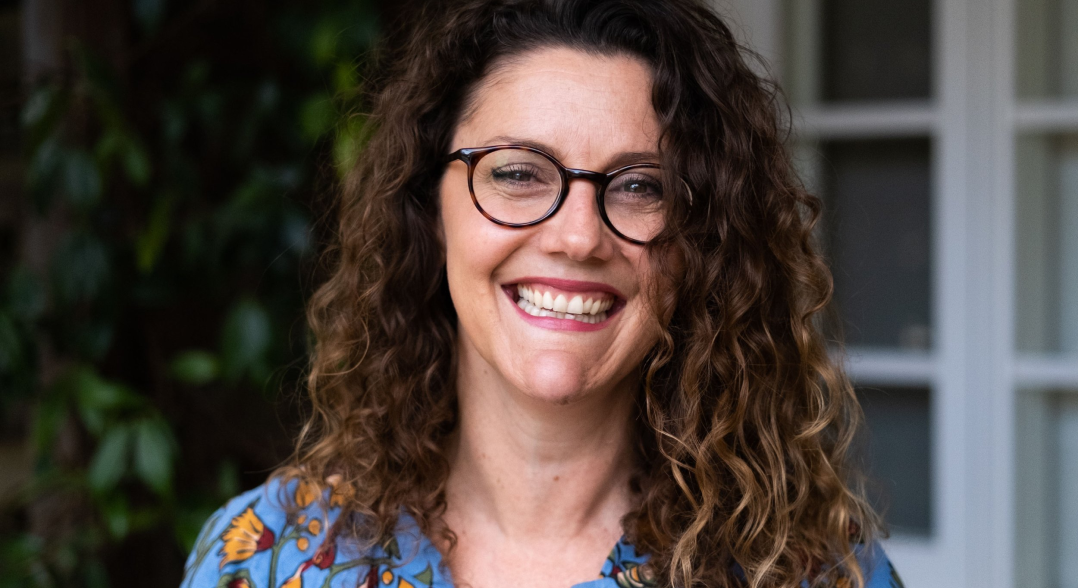
Small Giants Academy helps drive women’s equity and excellence

By Leon Gettler, Talking Business >>

GENDER EQUALITY is now a major issue for companies everywhere. But what sort of companies would agree to it?

Tamsin Jones, an expert in women’s leadership, an advocate for equity in boardrooms, a strategic advisor – and she is currently the head of programs at Small Giants Academy – is seeing certain companies and organisations embracing it.

Examples include Coles, Rio Tinto and the Department of Defence.

Ms Jones is leading the Mastery of Business and Empathy program — a 10-month MBA alternative that puts empathy at the heart of leadership, business and economics. 

“We (Small Giants Academy) are interested in bringing all perspectives into board rooms, C-suites, organisations and seeing how that might help us serve both our customers well but also serve the societal issues we are facing,” Ms Jones told Talking Business.

“It’s this idea that we want to be in our ecological boundaries, because that’s going to be a safe place for us to live in, and we also want to build social foundations.

“Business plays a role in both of those things and we can only do that if we bring different perspectives, viewpoints, understandings, around the table,” she said.

“Maybe to some people they feel this is not the role of business but I think ever since business was established as a concept, it always had a role of creating the kind of society we want to live in. It’s an important engine.”

Bringing best perspectives, ideas

This means the work Ms Jones does now is bringing the best perspectives, viewpoints and ideas. However, this was not just about reinventing board rooms but also organisational structures and ways of doing things.

“Many businesses see their organisations as a group of people,” Ms Jones said. “They see an opportunity to motivate end engage their people but also create a bigger impact in the world.

“We tend to get, at Small Giants, a lot of people sitting in senior roles saying I want to do things that will put us in a better place as a business, more sustainable, but also us responding to the challenges that we are seeing in the world.

“They tend to come from all over the place. From many different companies, like Coles, Rio Tinto, Defence as well as community organisations, platforms for renewable energy.

“Everyone coming in has a different perspective on what that means to them,” she said.

“Some of them want to leave a legacy that’s in line with their values and what needs to be done. Others want to create organisations that are built off a future system that might work more effectively than the current one we have.”

Cater better for women

Ms Jones said companies such as Coles and certain insurance businesses understood that a lot of their clients and stakeholders are women.

“They are really creating deep insights,” she said.

“Women are 50% of the population so it’s useful to consider whether their viewpoints are different. With businesses, you don’t want to be behind on those things.

“You want to be ahead of the curve so things like C-suite boardrooms, (and) seeing your customers as stakeholders, these things can help you design a business and run a business that is serving and responding to your stakeholder groups.” 

www.smallgiants.com.au

www.leongettler.com


Hear the complete interview and catch up with other topical business news on Leon Gettler’s Talking Business podcast, released every Friday at www.acast.com/talkingbusiness

https://shows.acast.com/talkingbusiness/episodes/talking-business-2-interview-with-tamsin-jones-from-small-gi


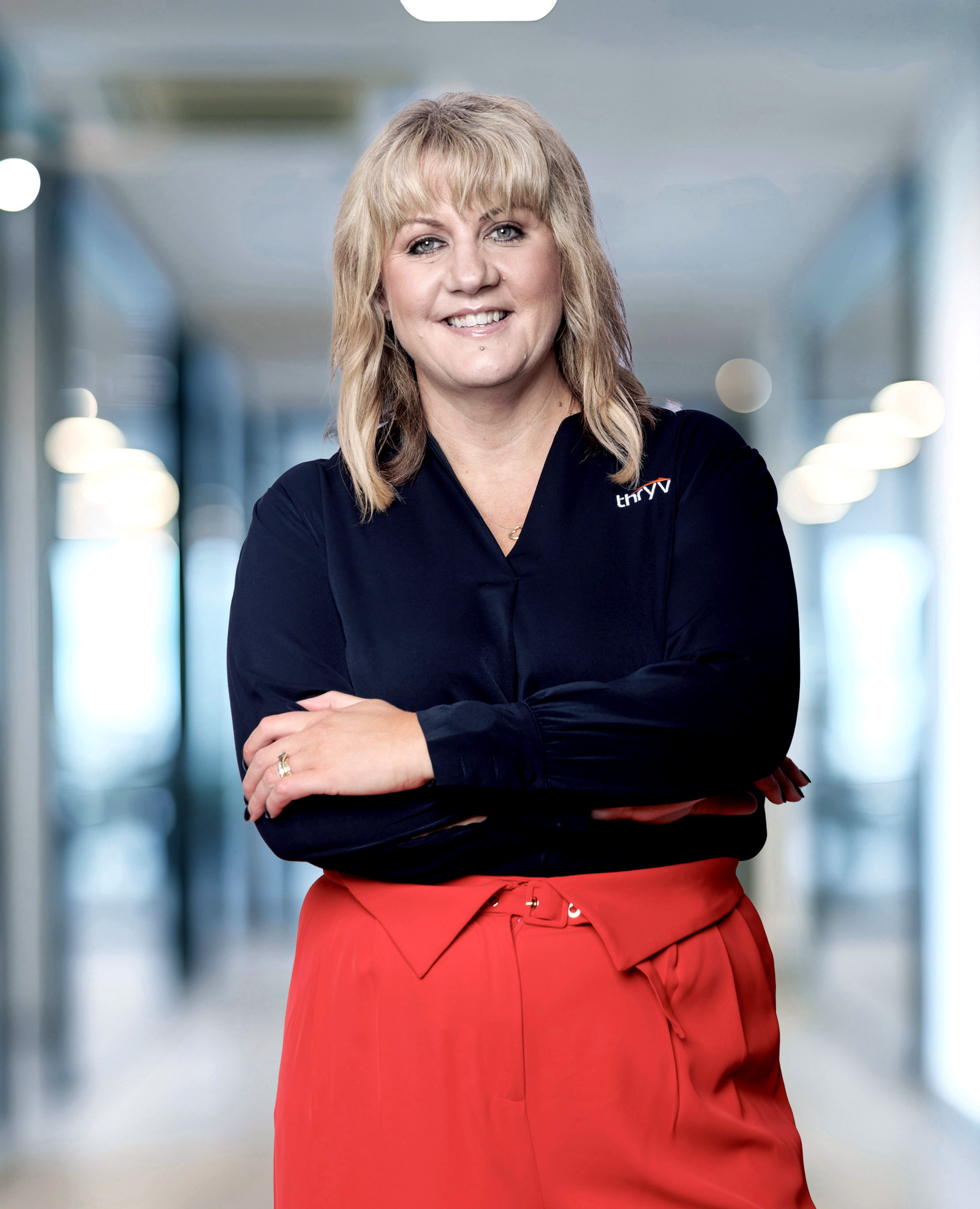
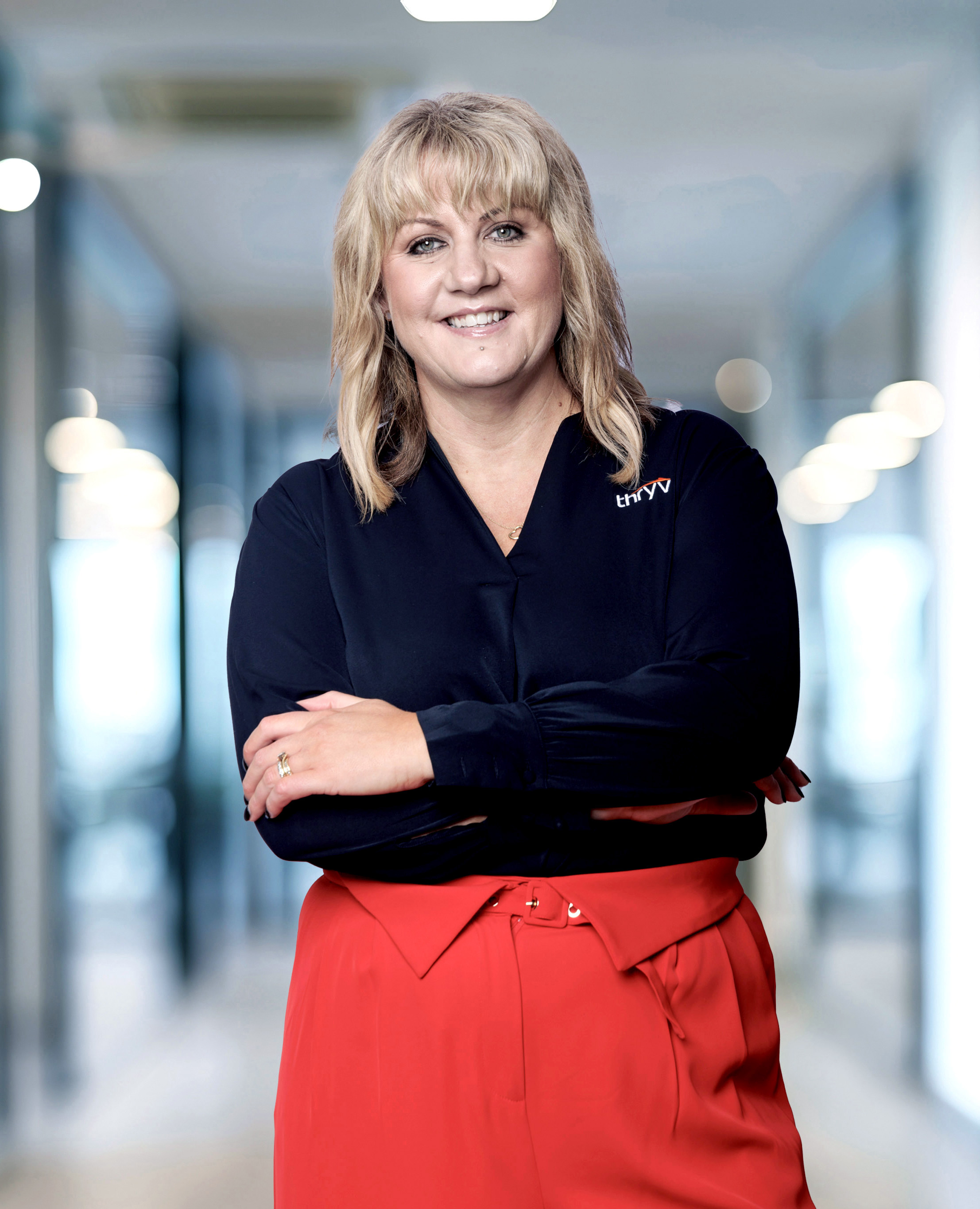
Thryv helps SMEs deal with business challenges systematically

By Leon Gettler, Talking Business >>

SMALL BUSINESSES are excited entering 2026 but they’re aware of the challenges that lie ahead.

Thryv Australia and New Zealand has been supporting the small business economy in Australia and helping them navigate the complexities of marketing and growing their business. 

Thryv is taking the pulse of small businesses and the challenges they are facing in 2026, like staffing and service, and the opportunities like artificial intelligence (AI).

That’s across tens of thousands of businesses and they’re diverse – from physios, to accountants to dentists to plumbers.

Elise Balsillie, who heads Thryv in Australia and New Zealand said AI is a big trend right now. 

“Earlier on this year, there were a lot of small business owners that were a little nervous about AI and what was happening in the industry but from a small business perspective, it really has changed the narrative,” Ms Balsillie told Talking Business.

“It’s giving small business the opportunity to have a marketing department, or to have a comms department, or even just help them give confidence in things like giving a review online or responding to a review that a client’s left them.

“They can use some of those AI tools to make sure that it sounds professional, that it’s got a good tone and they are responding in a way that they’re comfortable with.

“So AI is changing the game and really allowing those small businesses to compete with some of the bigger ones.”

Staffing remains a real issue

Ms Balsillie said while a lot of small businesses wanted to grow, there were issues with getting the right staff to drive forward.

“Finding good quality staff is a real challenge for them,” she said.

She also said a lot of small business owners now recognise that service matters now more than ever before.

“They’re being hit from all angles, whether it’s Facebook, Instagram, WhatsApp. They’re getting phone calls, text messages, emails,” Ms Balsillie said.

“There are so many channels their customers are communicating with them on, that really that volume of noise of service requests coming in is really getting overwhelming for some small businesses.

“So they’re definitely looking at ways to manage that communication flow.”

Eliminating non-productive tasks

Ms Balsillie said a lot of business owners were now sitting back and evaluating the amount of time they spend on non-productive tasks in their business.

“Being a small business owner is really hard,” she said.

“You’re doing your invoicing in the evening, you’re quoting in the evening, your dining room table is your pseudo-office, your passenger seat in your car is an office while you are out and about on the road during the day,” Ms Balsillie said.

“So small business owners are really starting to sit back and think, what is the toll that it’s taking and really putting a price on their average hours that they’re working and really starting to understand the amount of non-productive hours, non-customer revenue facing hours that they’re spending in their business and really giving them an opportunity to look for help.

“Because, I think, there is more and more noise from more and more channels out there for business owners and I think giving them ways to free up that time is important.” 

www.thryv.com.au

www.leongettler.com


Hear the complete interview and catch up with other topical business news on Leon Gettler’s Talking Business podcast, released every Friday at www.acast.com/talkingbusiness

https://shows.acast.com/talkingbusiness/episodes/talking-business-1-interview-with-elise-balsillie-from-thryv


ends

Are Friday work drinks ‘dead’? How leaders can approach a new era of workplace culture

By Brad Krauskopf, HUB Australia  >>

THE TRADITIONAL FRIDAY work drinks have long been a hallmark of Australian office culture. Yet, according to Hub Australia’s latest Love Where You Work Report, only 3% of employees now attend end-of-week drinks every week, and one in five say they never participate.

Employees are also demanding more flexibility and the ability to choose their own hours, so they can enjoy the benefits of hybrid work models.

Today, workplace culture is far more than just getting along with colleagues – it’s also about having the freedom to maintain a life outside work. Unsurprisingly, 87% of employees report spending more social time with friends outside work than with colleagues.

What does this shift mean for business leaders?

Here are practical ways leaders can lean into the new era of workplace culture:

Rethink traditional social activities
Friday drinks and activities centred around alcohol are no longer the default. Experiment with new ways to build team camaraderie that align with how employees actually want to connect.

Prioritise meaningful experiences over frequency
Instead of weekly social events, focus on less frequent, high-quality experiences such as workshops, team projects, or shared learning opportunities that foster genuine engagement.

Align culture initiatives with organisational values
Use social activities to reinforce your company’s purpose, whether through charitable programs, skill-building sessions, or innovation challenges.

Recognise the impact of flexibility
Hybrid work and diverse schedules mean leaders should design connection opportunities that work for all team members, not just those in the office.

Measure the effectiveness of engagement
Track participation, feedback, and morale. Culture isn’t just feel-good – it also drives retention, productivity, and overall business performance.

Prioritise work–life balance as part of culture
Connection shouldn’t mean sacrificing personal time. Encourage boundaries and avoid scheduling social activities outside hours unless employees specifically request it.

Create meaningful workspaces

At Hub Australia, our clubhouses and workspaces are designed to prioritise wellbeing, connection, and flexibility, helping organisations create the inclusive, purposeful cultures employees are seeking. 

The future of workplace culture is about creating intentional, flexible, and values-driven ways for people to connect. Leaders who listen to their teams and prioritise meaningful experiences will build stronger, more inclusive cultures. 

www.hubaustralia.com.au


ABOUT THE AUTHOR

Brad Krauskopf is the CEO and founder of Hub Australia, an organisation he created to help business leaders to listen to their teams and engage them to build stronger, more inclusive and purposeful cultures that employees embrace.


ends


ends

Australia’s strongest small businesses are designing for constraint, not scale

VIEWPOINT  I  By Elise Balsillie >>

FOR A LONG TIME, growth in Australian small business has been sold as a race towards scale. More customers, more staff, more locations, more complexity. Growth has been treated as expansion in every direction at once.

What I am now seeing across Australia is a quiet shift. The small businesses growing with the most confidence are not chasing size for the sake of it. They are designing their businesses around constraint and they are doing it deliberately.

Constraint has become a strategic advantage. 

Small business owners are operating in a market where pressure is constant. Skills shortages are structural. Costs remain unpredictable.

Customers expect fast responses, seamless communication and consistency every time. In that environment, growing without boundaries is not ambitious, it is unsustainable.

The strongest businesses I work with ask a different question early on: what should remain constrained even as the business grows?

Growth breaks when everything expands at once

Most small businesses do not fail because they lack demand. They struggle because too many parts of the business grow at the same time.

Marketing ramps up before operations are ready. Sales increase before cash flow systems can support them. Teams grow before processes are clear. On paper, the business looks bigger, however in reality, it becomes more fragile.

I often say that growth does not break businesses. Uncontrolled growth does.

When businesses design for constraint, they grow with intention. They choose one or two areas to expand and keep everything else tight. That focus creates stability rather than stress.

Constraint forces better decisions

Constraint also has a way of cutting through noise. When time is limited, priorities become obvious. When resources are finite, inefficiencies surface quickly. When teams are small, clarity matters more than hierarchy.

The businesses growing strongest right now are not doing everything. They are doing the right things consistently.

They know exactly which customers are worth pursuing. They understand which services drive repeat revenue rather than one-off wins. They focus on the marketing channels that convert rather than chasing the next trend.

Constraint exposes the truth faster than expansion ever will.

Why systems matter most when you stay lean

There is a common belief that systems are something you invest in later, once you have grown. I see the opposite.

Systems matter most when you are intentionally staying lean. When a business is designed around constraint, every system has to work harder. Bookings, payments, customer communication and marketing cannot sit in silos. They need to connect seamlessly because there is no spare capacity for inefficiency.

This is where many Australian small businesses unlock their next phase of growth. Not by adding more tools, but by connecting what they already use.

When systems are connected, business owners gain visibility. They can see which enquiries convert, which customers return and where time and money deliver the strongest return. Decisions become calmer, faster and more confident.

The strongest growth comes from businesses that can see clearly before they act.

Constraint creates better customer experiences

Customers feel the difference when a business is designed with intention.

Businesses that grow within constraints tend to communicate better, respond faster and deliver more consistent experiences. Not because they are larger, but because they are more focused.

They are not chasing information across platforms or juggling disconnected tools. They know their customers, their history and their next step.

It is that consistency which becomes a powerful growth engine. Customers reward businesses that feel easy to deal with, reliable, are authentic and personal.

Redefining what growth actually means

Constraint-led growth also changes how we define success.

Growth is no longer just about revenue or headcount. It shows up in stronger margins, predictable pipelines and business owners who are no longer stuck in constant firefighting.

It shows up in businesses that can absorb shocks, adapt quickly and make decisions without panic.

Real growth gives you control. If growth takes control away, something has gone wrong.

The opportunity ahead

Australian small businesses do not need louder advice or more hustle culture narratives. They need smarter ways to grow in a constrained environment.

The businesses that thrive over the next decade will not be the ones chasing scale at any cost. They will be the ones designing businesses that grow within clear boundaries, supported by connected systems and confident decision-making.

Constraint is the framework that makes growth sustainable.


ABOUT THE AUTHOR

Elise Balsillie is head of Thryv Australia and New Zealand, a company that has developed ‘everything small business owners need to manage their work’ in a single IT package. The Thryv system offers more than 20 industry customisations available in a fully mobile interface – technology previously reserved for big businesses – that Thryv now places at the fingertips of small business owners nationwide. Thryv’s related brands include Thryv Data, Thryv Agency, Yellow Pages, Yellow Pages Print, White Pages Network, Whereis and True Local.

www.corporate.thryv.com.au


Staff flexibility becomes major employment issue says Beverakis

By Leon Gettler, Talking Business  >>

FLEXIBILITY has become a huge management issue now across businesses of all sizes.

Companies like Uber and Disney have put in demands for employees to turn up to the office no matter.

There have been so many studies that show half of Australian workers favour flexibility. On the other hand, a study by Forrester found that four out of 10 organisations were now trying to back out of flexibility arrangements.

Dino Beverakis, who was the managing director for Avaya for many years, said companies now cannot go back to the way things were.

“You know, the clock on, clock off syndrome and those L-shaped corner desks with the high partitions, I think now we have to find a blend,” Mr Beverakis told Talking Business

“I think the onus is going to be on us as leaders to provide the digital tools that give our workforce that flexibility to collaborate everywhere, and it’s seamless.

“It’s going to be role-based now as opposed to one blanket rule that fits all.”

Consider remote workforce consequences

Mr Beverakis said organisations now seeking to reduce their remote workforces needed to consider the consequences.

He said flexibility is now a huge issue with Gen Z employees.

“One of the questions I get asked in the interview process is do you have a flexible work arrangement,” he said.

“So it is something that’s top of mind.”

Mr Beverakis said a number of companies were taking innovative approaches to this.

One example, he cited, was Microsoft in Japan which had implemented a four-day work week and their productivity had risen by 40%.

“There is no one solution so we’ll have to work diligently as leaders and look at the roles and the impacts that the changes are going to have,” Mr Beverakis said.

“It’s going to be across the board and leaders have to be cognisant and really pay attention to staff well-being around that flexibility as well.”

Most breaches ‘unintentional’

On the question of compliance breaches, Mr Beverakis said most were committed unintentionally by staff inside organisations using a third party app to exchange confidential information.

“You know, when something didn’t work and the multiple applications they had didn’t provide them with what they needed,” he said.

“That overwhelming of staff with multiple apps can slow them down and so they go looking for a secondary option and that opens the opportunity for a compliance breach.”

Mr Beverakis said the important thing for company leaders to do to address these compliance breaches is to educate staff.

“It’s very important to call out something that doesn’t feel right, something you feel isn’t the right thing to do and that’s employee engagement, that’s through education and understanding the compliance policies that your organisation has work within,” he said.

“It starts with the leadership forum, understanding the compliance policies, educating the staff be it visual or otherwise, presentations, sit down sessions, lunch and learns, just really covering what those policies are making sure your team is engaged.”

And boards would have to be involved too.

“It starts at the top, you incorporate the board in that conversation,” Mr Beverakis said.

www.leongettler.com


Hear the complete interview and catch up with other topical business news on Leon Gettler’s Talking Business podcast, released every Friday at www.acast.com/talkingbusiness

https://shows.acast.com/talkingbusiness/episodes/talking-business-38-interview-with-dino-beverakis-from-avaya


ends

Remote work not remote control

By Leon Gettler, Talking Business >>

REMOTE WORK is one of the great challenges for businesses everywhere. But more often than not, business owners say entry level and Gen Z workers aren’t being productive when their working productively.   

Why is this?

Tim Currie, the CEO of NOVA and veteran of the high-tech sector, said a lot of this comes down to different expectations of younger employees entering the workforce for the first time.

“Like anyone who works remotely, they enjoy the autonomy and the flexibility – but young workers, entry level workers, young workers that are just beginning their career path, they still want all the things that people experienced when they were in their 20s, or early career days,” Dr Currie told Talking Business

“They want mentorship, they want interpersonal relationships, they want to feel belonging and identity with something, and they also want to see a career path for themselves through what they do all day.

“And in some cases, remote work and the work given to them remotely isn’t meeting those needs.

“The difference with workers that are a little bit older and established in their career, both in their personal and social life, as well as their work life, they’re more secure, more established.

“They don’t need as much infrastructure and scaffolding as maybe a younger worker would need.”

Younger workers need more personal interaction

Dr Currie said research showed younger workers needed more personal interaction and ‘face time’ to understand the dynamism of the office, the sharing of ideas, and exposure to social norma and the way things work.

“If we’re focusing on young workers and entry level workers, there are some things that cannot be done remotely, at least to the same level and effectiveness as they had been done in the past,” Dr Currie said.

“You can do tasks remotely, you can achieve collective goals remotely, but for some workers getting mentorship, building a network of interpersonal relationships … all the relationships that were developed because you had proximity.

“Face to face interactions are absolutely paramount. I wouldn’t say it’s almost impossible but it’s incredibly difficult and it’s incredibly uncharted waters to give a younger employee, an entry level employee an enriching experience, an enriching career path, where they can see how people interact, they can see what norms are reinforced,” Dr Currie said.

“What does it mean to have an organisational culture? It’s what you see, hear and experience when you interact with peers, with management, and leadership, when you observe others.

“Observational learning doesn’t happen when you’re on a Zoom with your camera off eight hours a day.”.

Return to office regimes also 'need work'

Dr Currie said this went to the big problem of companies bringing in “return to office” regimes.

He said they were often failing to do their organisational design properly when they bring in those rules.

“There is nothing worse than commuting an hour or an hour and a half to an office where you have to zoom with someone who is working in another office, or working from home,” Dr Currie said.

“It’s the worst of both worlds. You have the commute without any of the satisfaction of any of the fulfilment of the scaffolding that comes when you work in an office.” 

www.leongettler.com


Hear the complete interview and catch up with other topical business news on Leon Gettler’s Talking Business podcast, released every Friday at www.acast.com/talkingbusiness

https://shows.acast.com/talkingbusiness/episodes/talking-business-34-interview-with-dr-tim-currie-from-nova


ends